Trust Is a Metric: What an AI Summit Taught Me About Reliable Agents

Why trust, not capability, is the bottleneck Agents can already do a lot. What keeps them out of production is whether we can trust them. Last week I attended World Summit AI in Amsterdam. Across the sessions I followed (workshops on agent harnesses, talks on agents that improve over time, and panels on hybrid architectures,


Scaling AI models from research breakthroughs to real-world enterprise deployment

Scaling AI models from research breakthroughs to real-world enterprise deployment involves a complex interplay of technological, organizational, and governance challenges. The transition from research to deployment is not merely a technical endeavor but also involves addressing various forms of friction that can impede the successful integration of AI into enterprise systems. This discussion will explore

De los avances a la infraestructura: qué revela la estrategia de Tencent sobre el futuro de la IA

Una conversación clave sobre «Scaling AI: From Breakthroughs to Real-World Impact» con Ling Ge (Chief Investment & Strategy Officer EMEA, Tencent) La inteligencia artificial está dejando de ser una promesa de laboratorio para convertirse en infraestructura fundacional: la capa invisible sobre la que operan industrias enteras. Esa es la tesis de una de las sesiones más

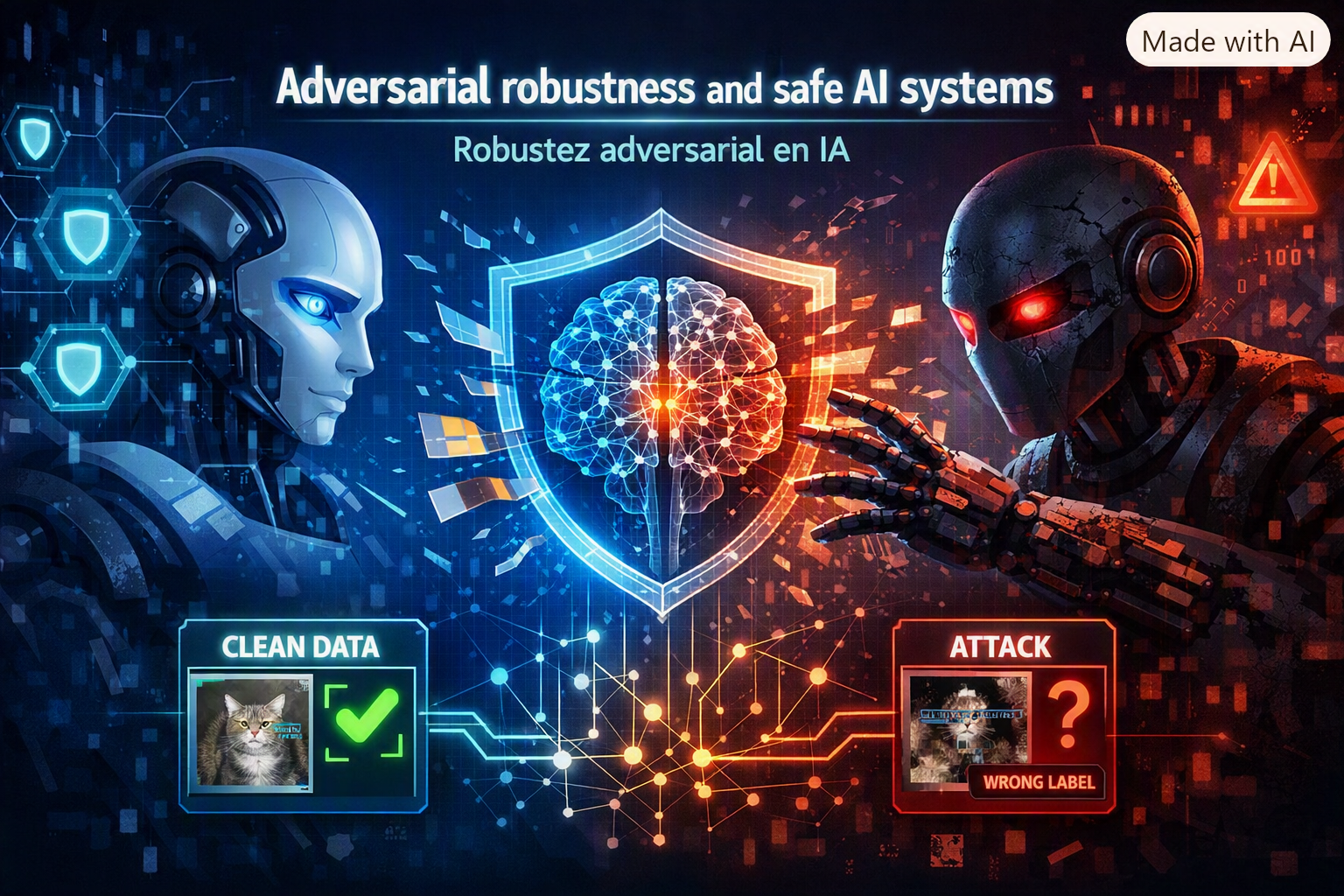
Adversarial robustness and safe AI systems

Adversarial robustness in AI systems refers to the ability of these systems to withstand and function correctly even when faced with adversarial inputs—inputs that are intentionally designed to cause the system to make errors. This is a critical area of research in AI safety, as adversarial attacks can exploit vulnerabilities in AI models, leading to

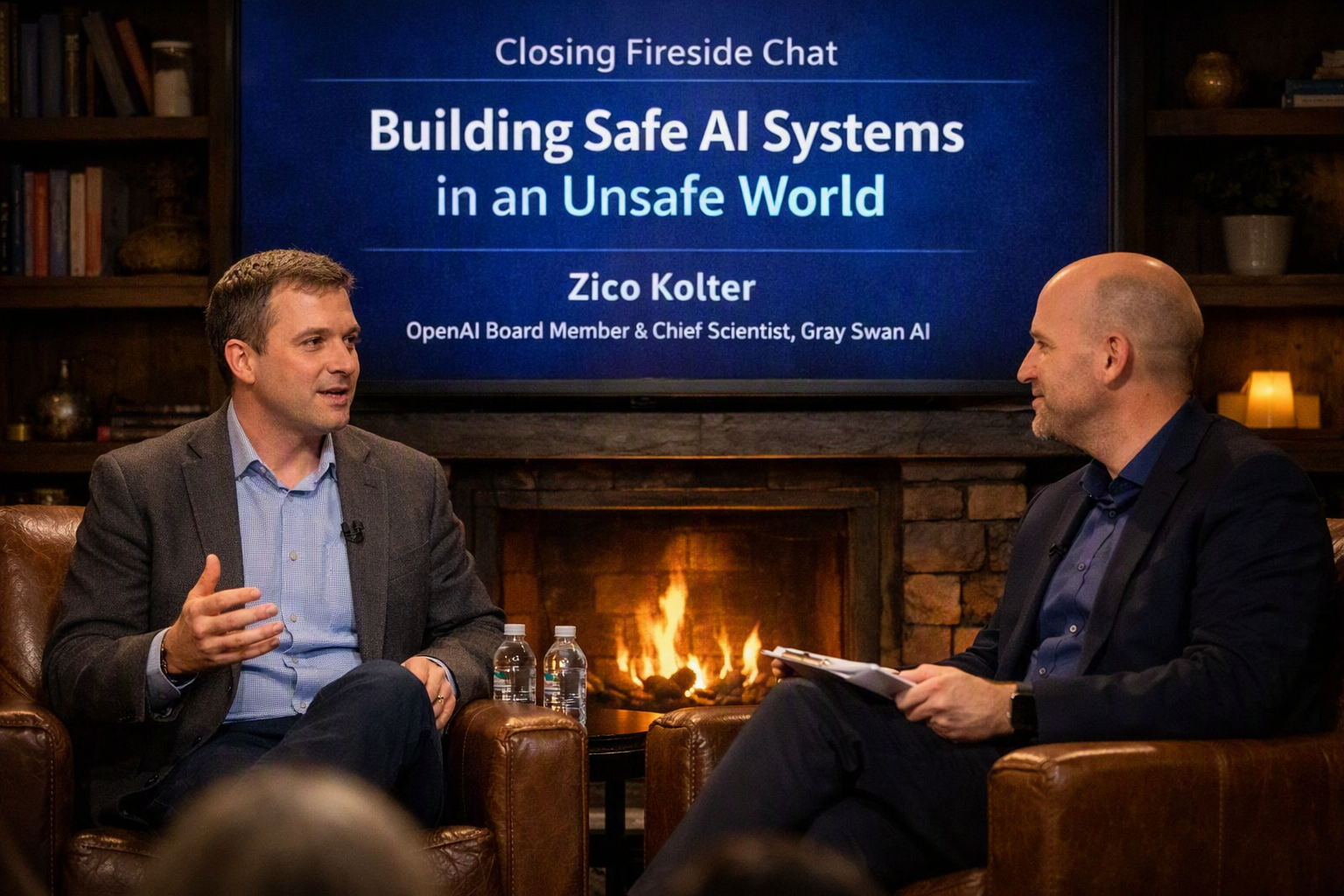
Reseña: Building Safe AI Systems in an Unsafe World — Fireside Chat de clausura con Zico Kolter

Sesión: Closing Fireside Chat — Building Safe AI Systems in an Unsafe World Ponente: Zico Kolter — miembro del Consejo de OpenAI; Chief Scientist de Gray Swan AI; catedrático y director del Machine Learning Department, Carnegie Mellon University. Formato: conversación de clausura sobre seguridad técnica y gobernanza de la IA. 1. Marco: quién habla y desde dónde La sesión reúne una

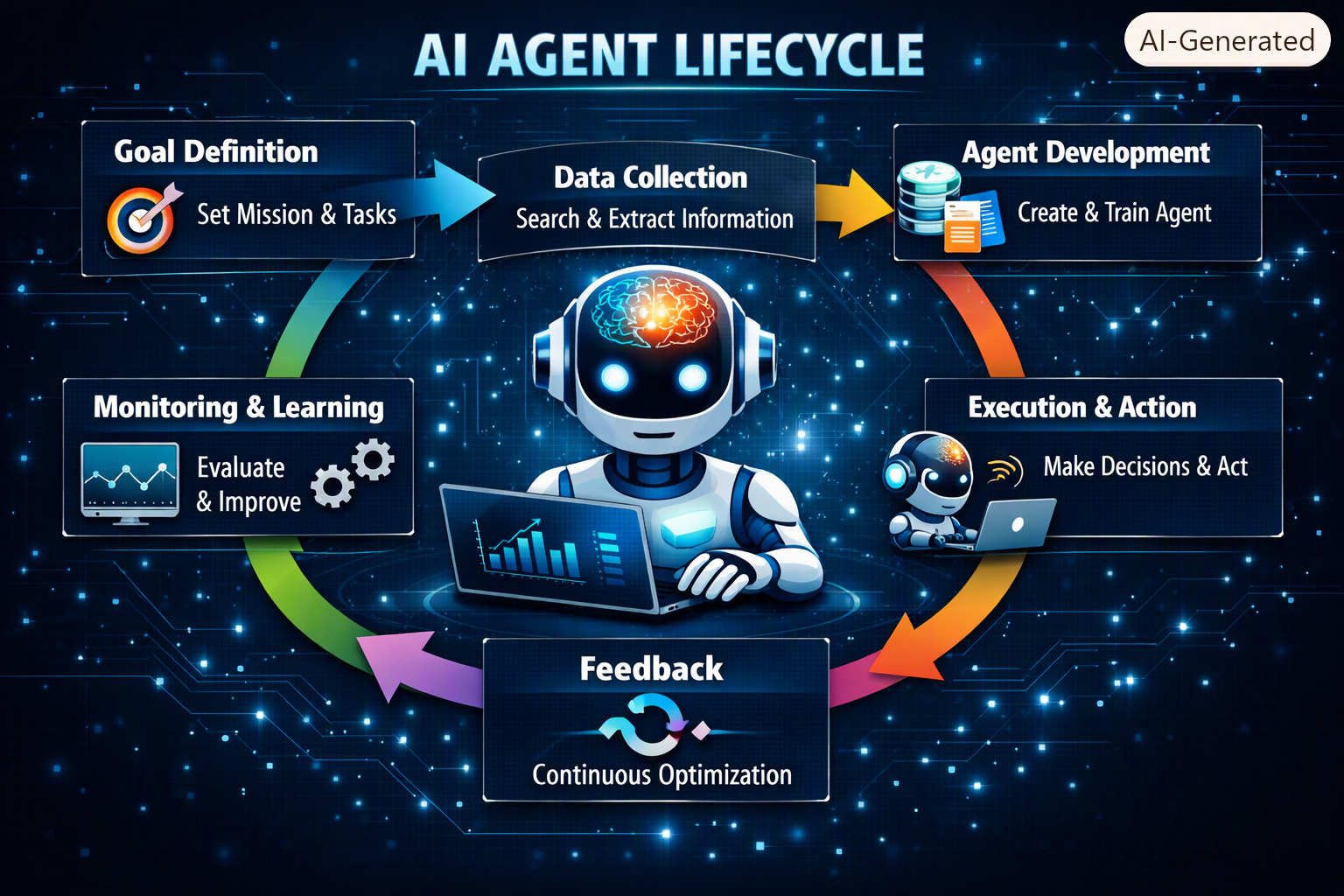
🧠 The AI Agent Lifecycle: Harrison Chase’s ADLC — A Didactic Guide

A step-by-step introduction to building agents that actually work in production 🎯 What’s This All About? If you’ve heard about AI agents (programs that use an LLM to decide what to do, call tools, and execute tasks autonomously), you’ve probably seen impressive demos. But how do you take an agent from «look what I built in my notebook» to

🏗️ La Visión de Mark Papermaster sobre Hardware para IA en AMD

¿Quién es Mark Papermaster? Mark Papermaster es Chief Technology Officer (CTO) y Executive Vice President de AMD desde 2011. Es el arquitecto técnico detrás del resurgimiento de AMD: supervisó la transición a la arquitectura Zen (CPU) y la estrategia de chiplets, y hoy lidera la visión de hardware para la era de la IA. Antes de AMD fue VP en Apple (lideró hardware

Bionemo: la inteligencia molecular que redefine la IA en Pharma”

Descubrir un nuevo fármaco hoy cuesta ~$2.600M de dólares y toma entre 10 y 15 años. El 90% de los candidatos que entran a ensayos clínicos fracasan. NVIDIA no quiere hacer fármacos. Quiere ser la infraestructura de cómputo y los modelos base que permitan a farmacéuticas y biotecnológicas descubrirlos en una fracción del tiempo y costo. 🧩 El ecosistema NVIDIA para

🧠 ¿Qué es la ASI? Una mirada desde NVIDIA y Simon See

📌 El acrónimo: Artificial Super Intelligence (Superinteligencia Artificial) Cuando hablamos de ASI en el contexto de NVIDIA y Simon See —Senior Director, Chief Solution Architect y Global Head del NVIDIA AI Technology Center (NVAITC)— nos referimos a la Superinteligencia Artificial (Artificial Superintelligence). Simon See presentó una keynote titulada «The Pathway to Artificial Super Intelligence (ASI)» en la conferencia NVIDIA GTC, donde expuso la visión de NVIDIA sobre cómo llegar

Grady Booch y la «Tercera Edad de Oro» del software con IA

Grady Booch (n. 1955) es un ingeniero de software estadounidense, IBM Fellow, pionero en diseño orientado a objetos y co-creador del Lenguaje Unificado de Modelado (UML) junto a Ivar Jacobson y James Rumbaugh («los Tres Amigos»). También acuñó el término Integración Continua (CI) en 1991. Es autor del libro Object-Oriented Analysis and Design with Applications y una de las voces más respetadas sobre

Entradas recientes

  • Trust Is a Metric: What an AI Summit Taught Me About Reliable Agents
    Why trust, not capability, is the bottleneck Agents can already do a lot. What keeps them out of production is whether we can trust them. Last week I attended World Summit AI in Amsterdam. Across the sessions I followed (workshops on agent harnesses, talks on agents that improve over time, and panels on hybrid architectures,
  • Scaling AI models from research breakthroughs to real-world enterprise deployment
    Scaling AI models from research breakthroughs to real-world enterprise deployment involves a complex interplay of technological, organizational, and governance challenges. The transition from research to deployment is not merely a technical endeavor but also involves addressing various forms of friction that can impede the successful integration of AI into enterprise systems. This discussion will explore
  • De los avances a la infraestructura: qué revela la estrategia de Tencent sobre el futuro de la IA
    Una conversación clave sobre «Scaling AI: From Breakthroughs to Real-World Impact» con Ling Ge (Chief Investment & Strategy Officer EMEA, Tencent) La inteligencia artificial está dejando de ser una promesa de laboratorio para convertirse en infraestructura fundacional: la capa invisible sobre la que operan industrias enteras. Esa es la tesis de una de las sesiones más
  • Adversarial robustness and safe AI systems
    Adversarial robustness in AI systems refers to the ability of these systems to withstand and function correctly even when faced with adversarial inputs—inputs that are intentionally designed to cause the system to make errors. This is a critical area of research in AI safety, as adversarial attacks can exploit vulnerabilities in AI models, leading to
  • Reseña: Building Safe AI Systems in an Unsafe World — Fireside Chat de clausura con Zico Kolter
    Sesión: Closing Fireside Chat — Building Safe AI Systems in an Unsafe World Ponente: Zico Kolter — miembro del Consejo de OpenAI; Chief Scientist de Gray Swan AI; catedrático y director del Machine Learning Department, Carnegie Mellon University. Formato: conversación de clausura sobre seguridad técnica y gobernanza de la IA. 1. Marco: quién habla y desde dónde La sesión reúne una